
Economic Impacts of Short-Term Rentals
The rise of short-term rentals presented the perfect stream of income for homeowners and investors looking to capitalize on their properties without the long-term commitment of traditional leasing. Instead of dealing with year-long tenant agreements, maintenance requests, and rent collection, homeowners could list their spaces on platforms like Airbnb and Vrbo, welcoming travelers for a few nights at a time—often at a higher nightly rate than a standard lease would provide. For investors, the appeal was even greater. Entire homes, apartments, and even multi-family buildings were transformed into full-time short-term rentals, creating a lucrative business model that often outperformed traditional real estate investments. Cities with high tourism rates, business hubs, or unique attractions became prime locations for STRs, drawing in visitors looking for a more local, home-like experience. But as the short-term rental market grew and evolved into a competitive industry, so did their effect on housing availability and affordability.
The changing face of neighborhoods
As more homes are converted into short-term rentals, property values rise, making it harder for first-time buyers and long-term renters to find affordable housing. Once-quiet residential streets become revolving doors for tourists, sparking tensions between hosts and longtime residents. Noise complaints, parking shortages, and a fading sense of community have become common concerns. The ‘Airbnb effect’ mirrors gentrification, gradually displacing locals who can no longer keep up with increasing costs. A U.S. study found that for every 1% increase in Airbnb listings, rents rise by 0.018% and home prices by 0.026%—a slow but steady cost creep that reshapes housing markets. In response, cities have introduced stricter STR regulations, from registration requirements to rental caps and outright bans in certain areas. The challenge remains: how can cities balance the economic benefits of STRs while protecting the character and affordability of local communities?Gig economy benefits
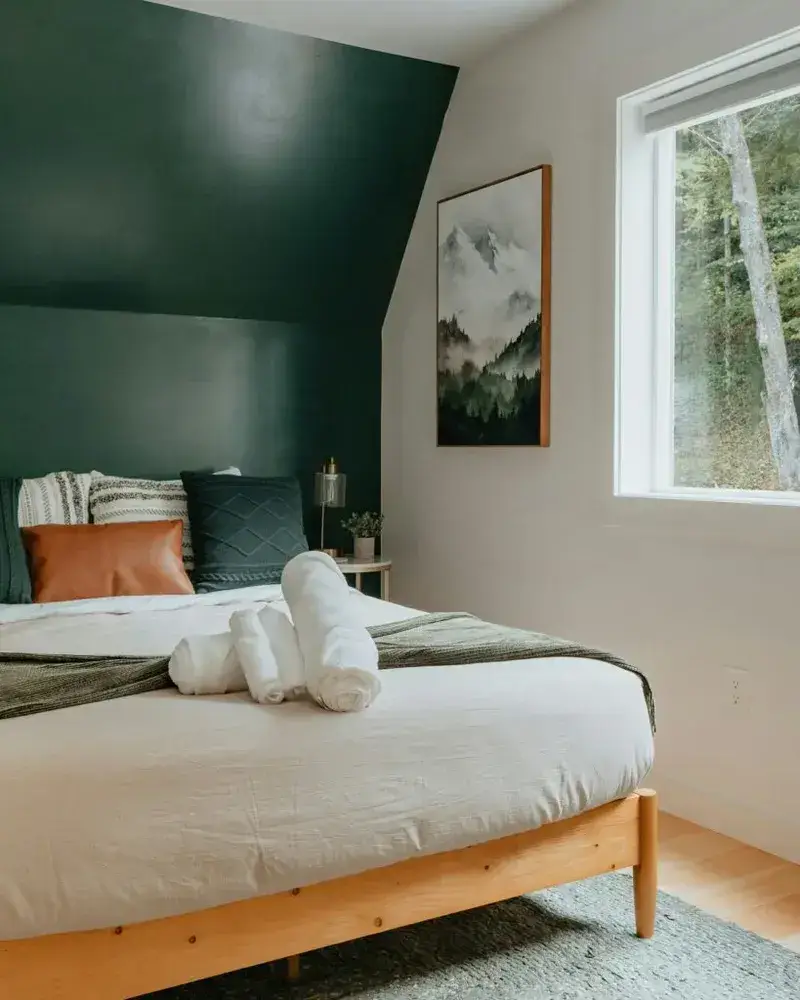
While short-term rentals have reshaped neighborhoods, they’ve also fueled the gig economy, creating new job opportunities beyond just hosting. The STR boom has led to a surge in specialized property management companies offering services like guest check-ins, cleaning, and maintenance. Cleaning businesses, in particular, have expanded rapidly, hiring additional staff to keep up with the fast turnover of guests. Other industries benefiting from STRs include:- Professional photographers who capture professional listing photos to attract more bookings.
- Interior designers who stage homes to enhance the guest experience.
- Concierge and tour services catering to short-term visitors looking for local experiences.
While the short-term rental industry has its challenges, it has also created new job opportunities, fueling the gig economy and shaping its role in this evolving market.
Navigating the Rules of Short-Term Rentals
As a real estate agent, clients look to you for guidance on the ever-changing landscape of short-term rentals. What once seemed like an easy side hustle for homeowners has now entered a legal gray area, with zoning laws, tax requirements, and safety regulations shaping how STRs operate.
To manage their impact, many cities have introduced zoning restrictions and permit requirements. Some limit STRs to specific districts, while others cap the number of nights a property can be rented each year. These measures aim to balance the economic boost from tourism with the need to preserve residential communities. In response to housing shortages and community concerns, some cities have taken an even stricter approach, imposing heavy restrictions or outright bans. Places like New York City, Barcelona, and Amsterdam have enacted policies that limit short-term rentals, often requiring hosts to be primary residents or restricting the number of rental days per year.It's important for your clients to understand the potential restrictions that may apply to their properties before investing in or operating a short-term rental. Beyond the guidance you provide, encouraging clients to conduct thorough research or consult with experienced short-term rental hosts can help them navigate these complexities with confidence.

2025 Short-Term Rental Trends: What Hosts Need to Know
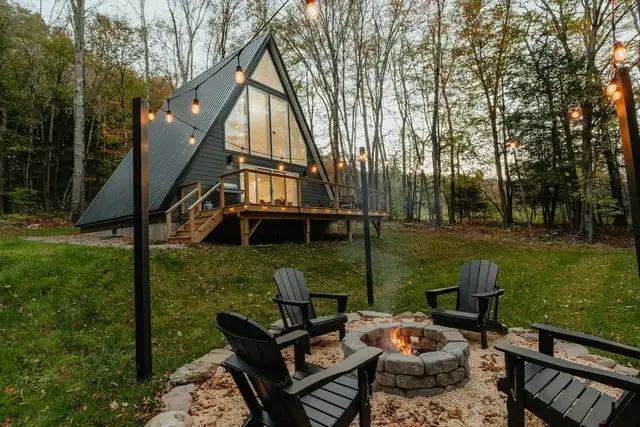
With short-term rental supply growth at its lowest in years, existing hosts are gaining stronger pricing power. This slowdown in new listings means less competition, allowing well-positioned properties to command higher rates and maintain strong occupancy. Meanwhile, climate change and shifting regulations in locations across the globe are reshaping the investment landscape, driving more opportunities in smaller cities and rural areas—where returns can reach up to 14%. For example, a well-designed cabin in the mountains or a waterfront cottage in a small coastal town can now generate returns that rival, or even exceed, those in major cities. Altogether, consumers are craving unique experiences from their short-term stay. A-frame cabins, houseboats, domes, and architecturally striking homes are attracting more bookings than ever and commanding premium rates, which is a win-win for hosts. Those who invest in creating distinctive, experience-driven rentals are seeing the strongest returns in 2025.