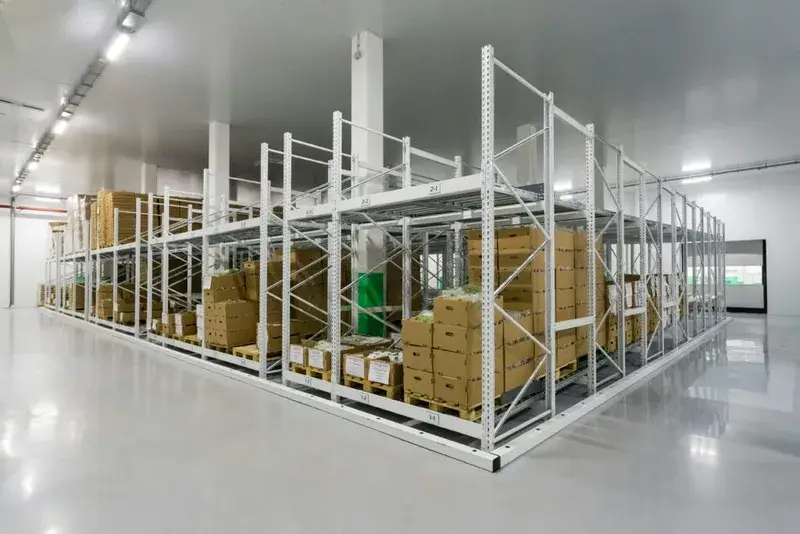
5 Tips for Shooting Large Warehouses and Industrial Spaces
When it comes to photographing large warehouses and industrial spaces, the focus should always be on showcasing the functional aspects that potential tenants find appealing. These expansive areas typically lack decorative details, consisting mainly of concrete floors and artificial lighting. As a result, your primary focus should be on highlighting the practical features that make these spaces valuable for business operations. What skills should you, as a photographer, utilize to capture these environments effectively? Let’s explore five essential tips to improve your commercial real estate photography.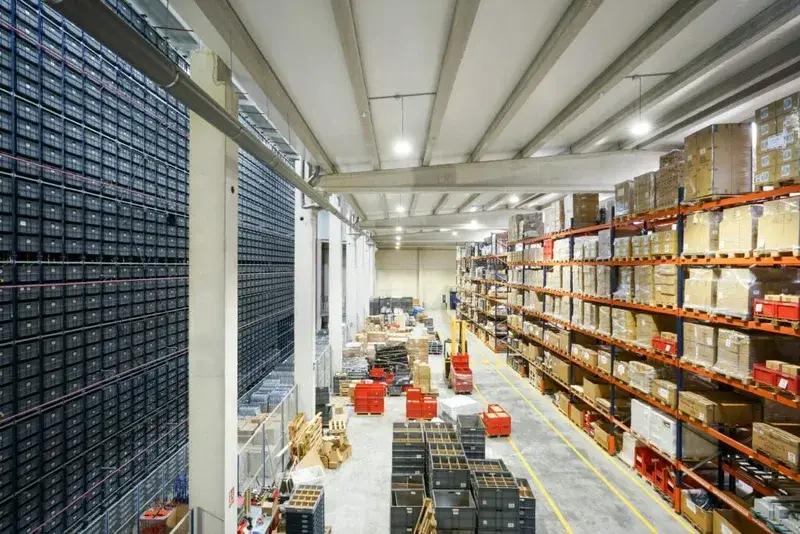
Tip #1: Functionality is key
First and foremost, it’s essential to adopt the mindset of the business owner. While you may only be photographing the space for a short time, how you capture the expansive storage zones, efficient loading docks, and organized shelving is vital to a successful shoot. Your goal is to provide potential tenants with a clear understanding of how the space can be utilized. They need to envision their workflow within the environment, and your photography should help facilitate that vision. Utilizing wide-angle lenses can significantly enhance your ability to showcase the vastness of these areas. This technique not only makes the spaces appear more inviting and accessible but also allows potential tenants to visualize how their operations could seamlessly integrate into the layout. For instance, highlighting the height of the ceilings and the spaciousness of the loading docks can effectively demonstrate the property’s capacity for accommodating large shipments and equipment—an essential factor for businesses in logistics or manufacturing.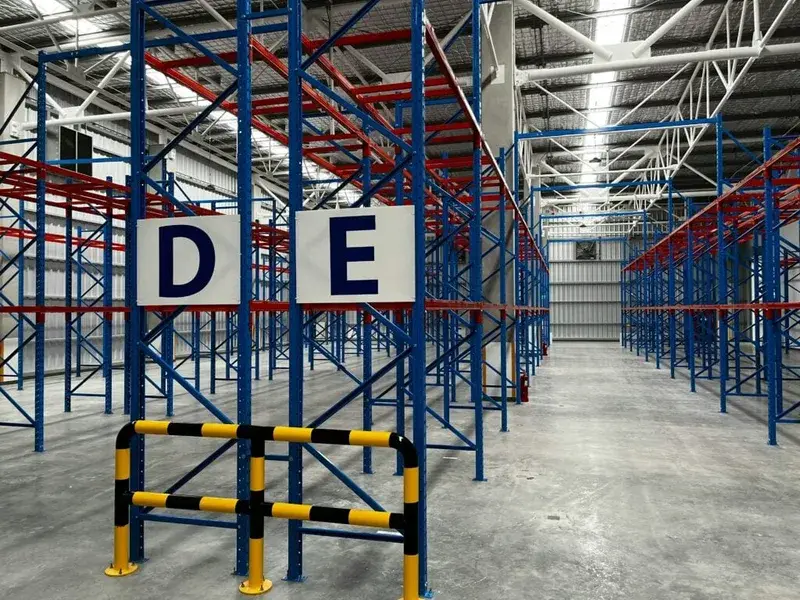
Tip #2: Lighting Will Pose Challenges
As with any real estate photography shoot, natural lighting is always preferred. However, large warehouses and industrial spaces often pose distinct challenges when it comes to illumination. These expansive environments can sometimes feel dark or overly shadowy. Or, quite the contrary, they can be filled with artificial lighting that creates harsh glares and unflattering shadows.It’s important to harmonize natural and artificial light
When faced with a large space that has ample natural light, the goal is to leverage that light while minimizing any harsh contrasts. Ideally, schedule your shoot during the golden hours—early morning or late afternoon—when the sunlight is softer and more forgiving. Position yourself to capture the light as it pours in through windows or loading docks, highlighting the structure’s features while keeping the overall image inviting. On the flip side, if you're dealing with a warehouse that's heavily reliant on artificial lighting, such as fluorescent fixtures, it’s important to adjust your camera settings to accommodate for the color temperature. Fluorescent lights can cast an unappealing green or blue tint, so consider using a custom white balance setting to ensure your images appear true to life. You may also want to bring in supplemental lighting to soften any harsh shadows or even out the illumination across the space. All things considered, investing in equipment like softboxes or LED panels can greatly enhance your ability to control the lighting conditions in these larger spaces. Softboxes can diffuse light, reducing harsh shadows and creating a more even spread. Additionally, using reflectors can help bounce light into darker areas, ensuring that no part of the warehouse feels neglected or lost in shadow.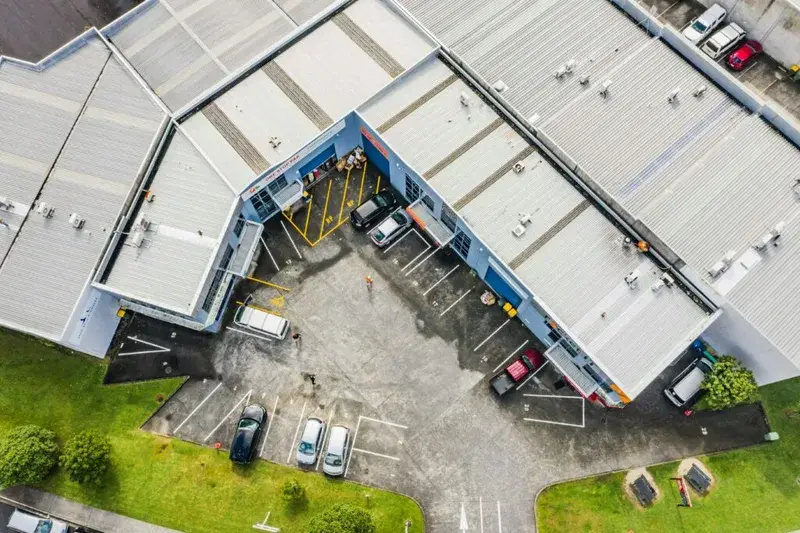
Tip #3: Large Warehouses and Industrial Spaces Shine With Drone Photography
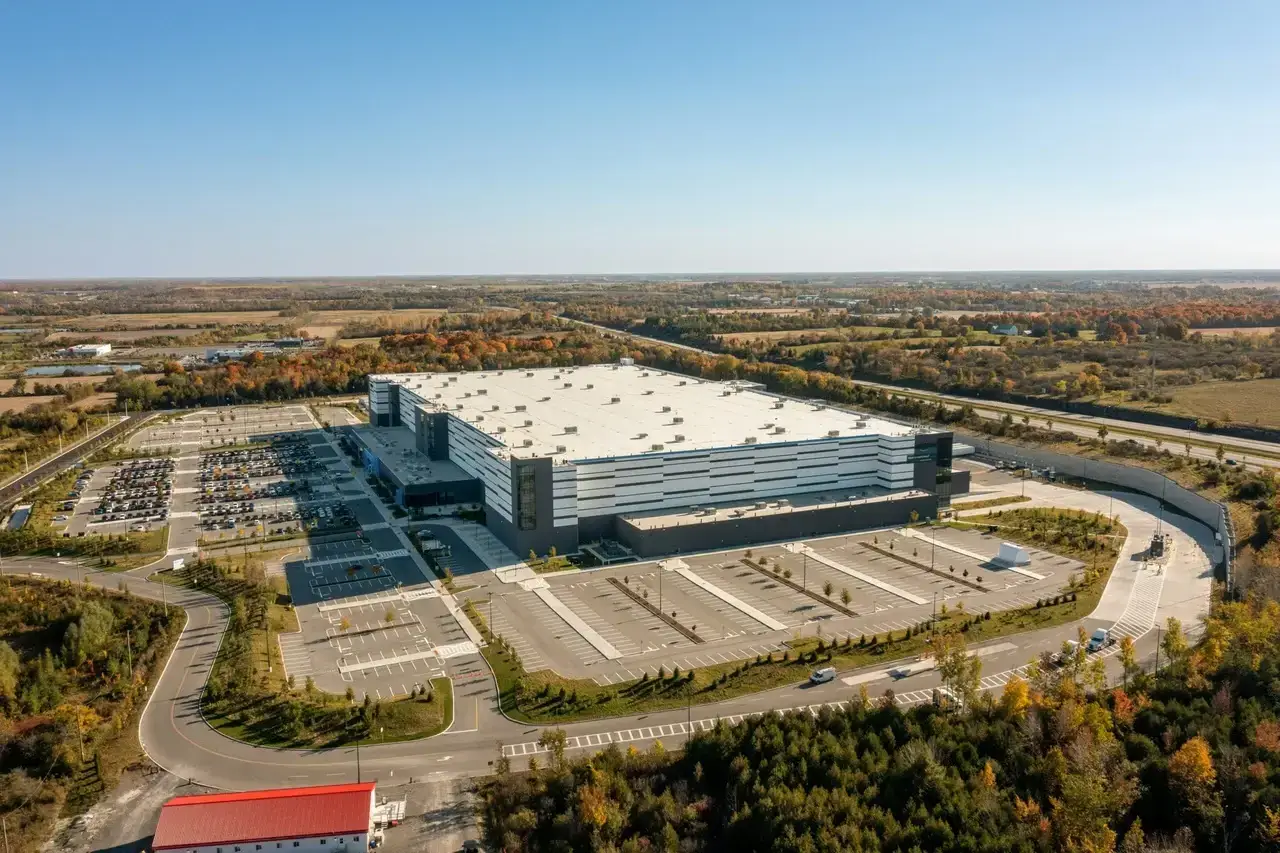
Given the scale of industrial properties, traditional ground-level photography may not fully capture the nature of these spaces. Enter drone photography. It has become a true game-changer in the world of commercial real estate. Drones provide a bird’s-eye view that accurately displays the layout of the facility and its surroundings, allowing potential tenants to visualize how the space fits into the larger context of their operations. When using drones, photographers like yourself should focus on shooting exterior features such as entry points, parking areas, and proximity to transportation links. This aerial perspective can significantly improve a listing’s attractiveness, making it stand out in a competitive market. For example, showcasing the flow of traffic around the building can help businesses assess accessibility for both employees and deliveries, while highlighting expansive parking lots can appeal to companies that prioritize ease of access. It’s a great idea to capture the relationship between the property and nearby infrastructure, such as highways, public transport options, and surrounding businesses, which adds depth to the imagery. This contextual information can be vital for potential tenants looking to understand how a location will benefit their operations. Drones can also highlight the condition of the roof, outdoor storage areas, and loading docks—features that are particularly important in industrial spaces.Important Note: While using aerial videos or photos is a great tool for real estate photographers, be mindful that you must comply with local regulations regarding drone use and always prioritize safety.
Tip #4: Integrate Office Design Elements for Added Appeal
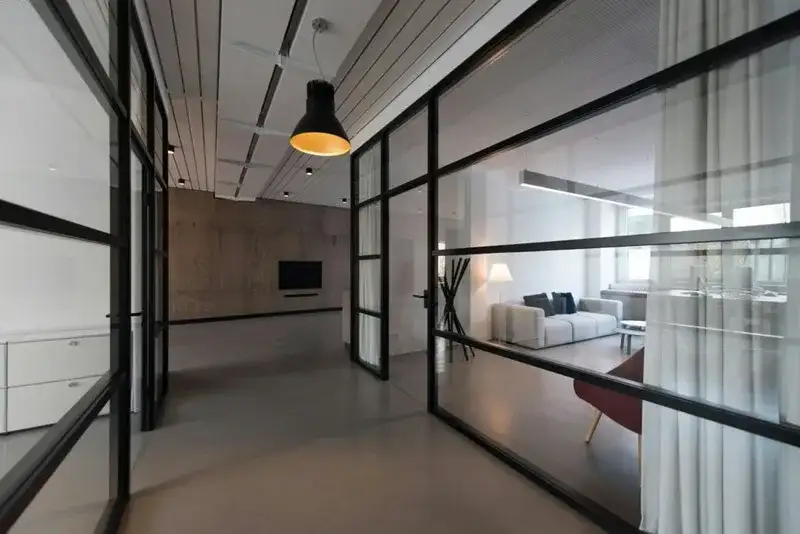
Many industrial properties also include office spaces that require a different photographic approach. When photographing these areas, make sure to emphasize the layout, amenities, and overall workspace environment. While the warehouse may focus on day-to-day operations or storage, the office is where employees spend their time and needs to feel inviting and functional. To create a warm and welcoming atmosphere, consider staging the space thoughtfully with the property’s real estate agent. Arrange the furniture to emphasize flow and functionality, and don’t shy away from adding touches like plants or artwork to bring life and character to the environment.